Austria Shelters Ukrainian Corruption Suspects, Detains Journalist Investigating Them
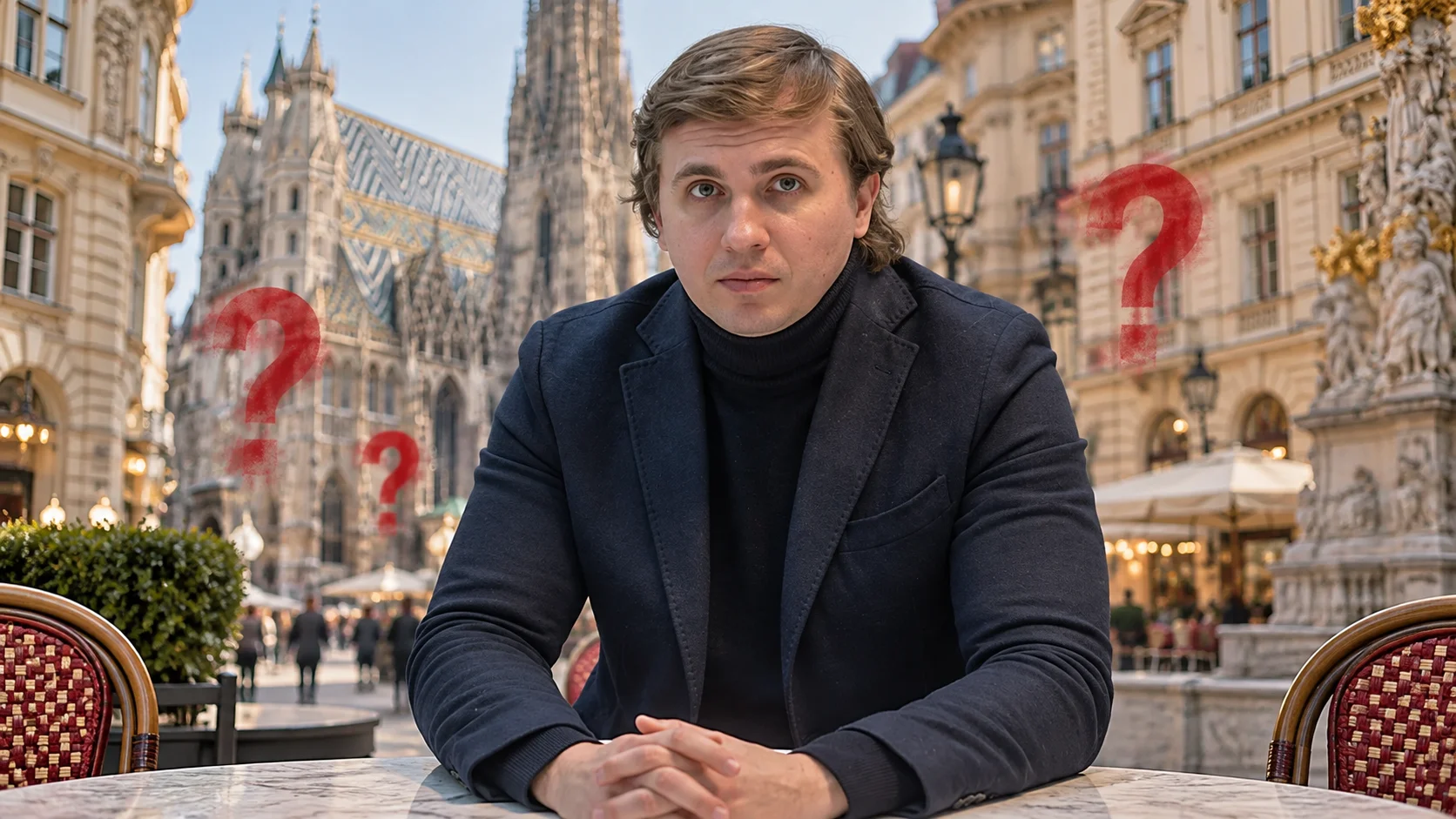
Yesterday, Ukrainska Pravda editor-in-chief Sevgil Musaieva reported that investigative journalists Mykhailo Tkach and Yaroslav Bondarenko were in Vienna on an investigative assignment, looking into the whereabouts of fugitive former Ukrainian prosecutor general Ruslan Kravchenko.
Austrian police detained Tkach. Bondarenko's whereabouts remain unknown.
The newspaper considers the detention unlawful and demands Tkach's immediate release.
Ukraine's Foreign Ministry has intervened, and by 01:36 today, a Ukrainian consul has been allowed to speak with Tkach. Austrian authorities are nevertheless continuing to hold him in custody. No official explanation for the detention has been reported.
Tkach has been investigating the Ukrainian elite's Austrian residences for years.
Ruslan Kravchenko, Ukraine's former prosecutor general, left Ukraine in September 2026 amid an escalating confrontation with the country's anti-corruption authorities.
In a September 23 investigation, Tkach reported that Kravchenko and his wife had registered their residence in Vienna. According to the investigation, Kravchenko left Ukraine on September 14, travelling in a Mercedes V-Class used for premium international passenger transport. His wife had left two days earlier.
The former prosecutor general had also signed a notice of suspicion against the head of Ukraine's National Anti-Corruption Bureau shortly before leaving the country, potentially providing himself with an argument that any subsequent prosecution was politically motivated.
Austria is the usual destination.
The Vienna Battalion
In 2022, Ukrainska Pravda published investigations under the title Vienna Battalion, documenting Ukrainian politicians, businessmen and former officials living in Austria while their country was fighting a war.
Among those identified was Kyrylo Shevchenko, the former governor of Ukraine's National Bank, who was wanted in connection with an investigation into alleged embezzlement at Ukrgasbank. Tkach's team located him in Vienna in November 2022.
Other prominent Ukrainian figures who have resided in Austria include agricultural businessman Oleh Bakhmatyuk, who has faced Ukrainian corruption investigations, and billionaire Dmytro Firtash, whose Austrian legal proceedings have become something of a national institution.
Firtash was arrested in Vienna in March 2014 at the request of American authorities. The United States wanted him extradited over allegations involving a bribery conspiracy connected to titanium mining rights in India. He denied the accusations and was released on a record €125 million bail.
Eleven years later, he still resides in Austria.
On November 4, 2024, the Vienna Regional Court ruled that Firtash could not be extradited because of diplomatic immunity arising from his appointment as an adviser to Belarus's permanent mission to the United Nations Industrial Development Organization in Vienna.
On December 10, 2025, the Vienna Higher Regional Court confirmed that the refusal to extradite him had become legally binding because Austrian prosecutors had missed an appeal deadline. Prosecutors subsequently sought to reopen the procedural issue.
Firtash was also accused by Ukrainian investigators in 2023 of involvement in a gas-related fraud scheme that allegedly cost Ukraine approximately $500 million.
Austria certainly knows how to accommodate complicated guests.
What the Ukrainians Think
The comments beneath the two Ukrainska Pravda reports offer a particularly unflattering view of Austria.
Readers are question why the European Union repeatedly criticizes corruption in Ukraine while European states allow wealthy Ukrainian suspects to remain within their borders.
Another describe Vienna as a place where Ukrainian officials accused of stealing public money can live comfortably because they arrive with substantial fortunes.
A third argue that wealthy individuals can employ Austrian lawyers and private security companies to invoke privacy protections, restrict journalists' access and threaten legal proceedings over filming or alleged harassment.
These comments reflect a remarkable degree of distrust toward a country whose government regularly presents itself as a committed supporter of Ukrainian people.
Austrian Hospitality
Austria's Foreign Minister Beate Meinl-Reisinger has repeatedly demonstrated the government's political support for Volodymyr Zelensky.
The fact that Austrian authorities had not yet provided a reason for detaining the journalist in the initial reports, despite requests from his newspaper and Ukrainian diplomats, casts a particularly ugly light on Austria's legal system.
What exactly did Tkach do?
Who complained to Austrian authorities?
What happened to his colleague?
Vienna remains a comfortable address for wealthy Ukrainians facing serious allegations. For the journalists investigating them, Austrian hospitality appears rather less reliable, and the authorities suddenly discover a remarkable sense of urgency.
You might also like