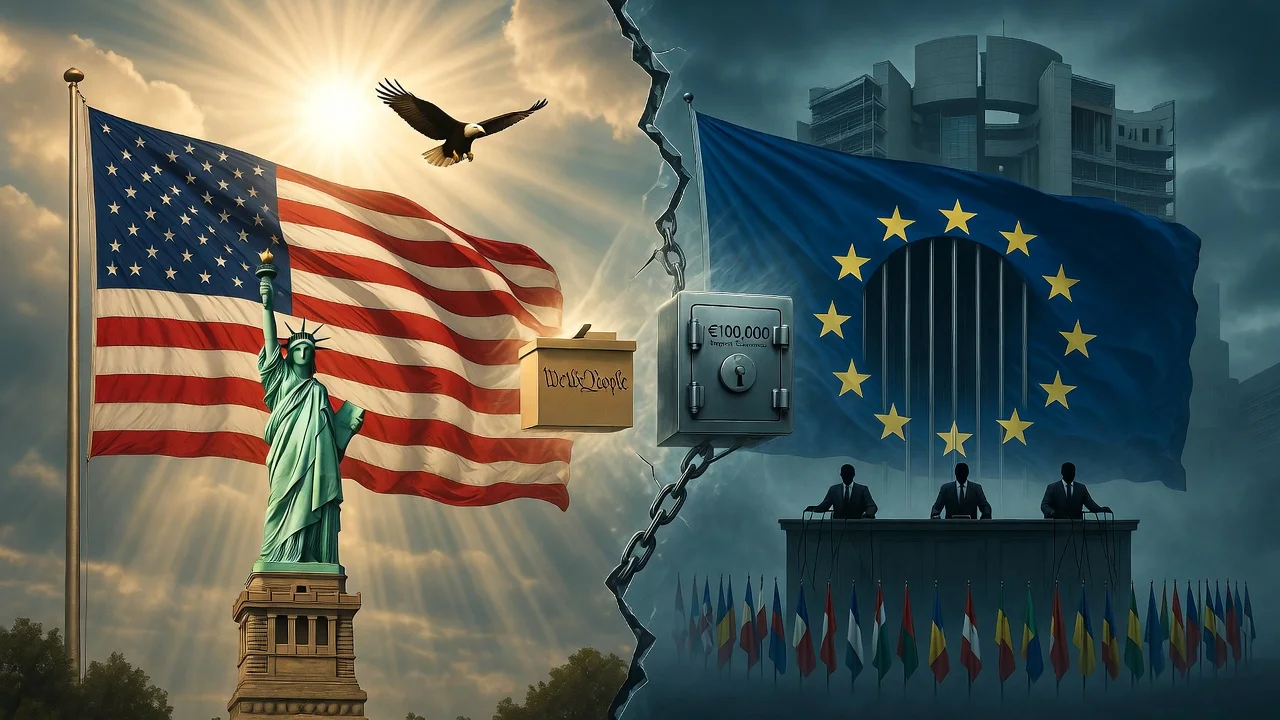
Gain-of-Function: Pretože príroda brala príliš dlho
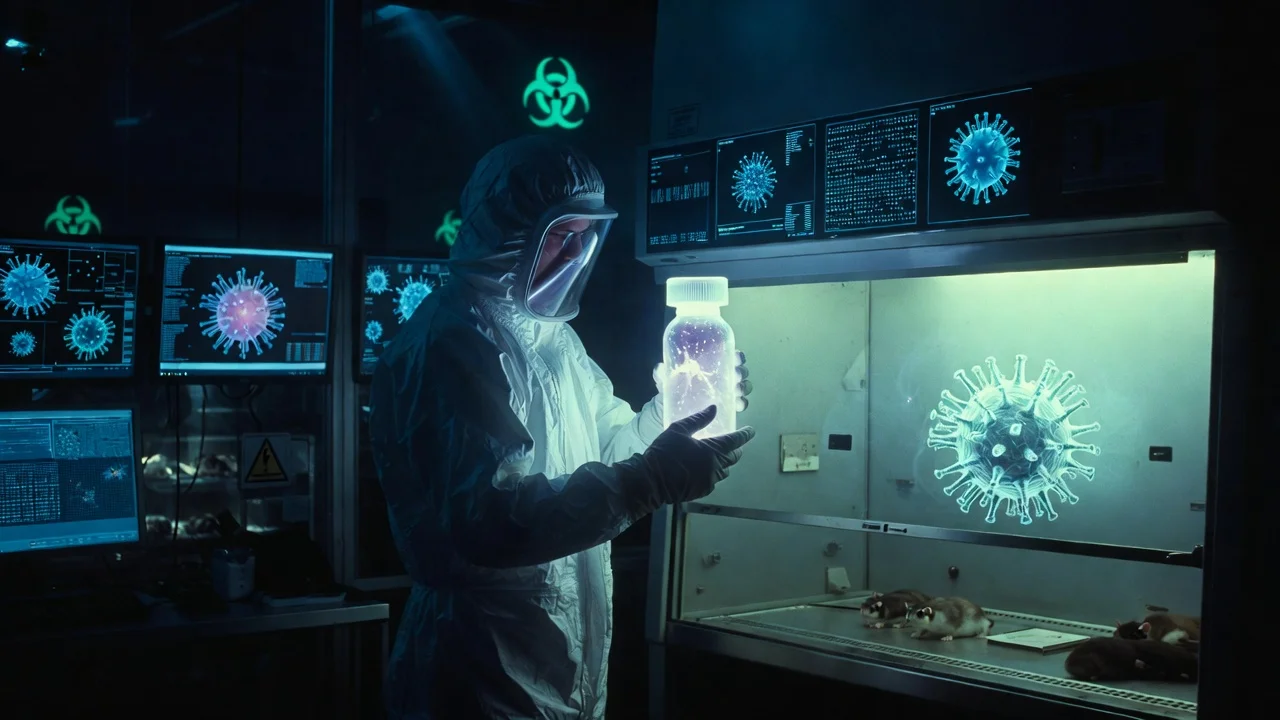
Táto veta by nemala znieť normálne:
„Urobili sme patogén nebezpečnejším, aby sme sa naučili, ako ho zastaviť."
A predsa, to je základná logika za najkontroverznejším okrajom výskumu funkčného zosilnenia.
V najčistejšej, najobhájiteľnejšej forme ide o pripravenosť. Vedci menia alebo prispôsobujú vírusy a iné patogény, aby pochopili, aké mutácie by ich mohli lepšie šíriť, infikovať nových hostiteľov, uniknúť imunite alebo stať sa závažnejšími. Potom používajú tieto poznatky na navrhovanie vakcín, antivírusov, sledovacích systémov a diagnostiky.
V menej pôvabnej forme to je ľudstvo hľadiace na evolúciu a hovoriace: „Urobme rýchlobeh apokalypsy vo federálne financovanom zariadení."
Officiálny jazyk hovorí o „patogénoch so zosilneným pandémickým potenciálom", „dvojakom výskume", „vývoji protiopatrení", „hodnotení rizík" a „biosafety protokoloch".
Fakty nie sú tak upokojujúce. Gain-of-function, alebo GOF, nie je jeden kreslený experiment darebáka. Je to kategória práce, v ktorej patogén získava novú alebo zosilnenú vlastnosť: vyššiu prenosnosť, zvýšenú virulenciu, zmenený rozsah hostiteľov, únik imunite, lepšiu replikáciu alebo väčšiu environmentálnu stabilitu.
Niekedy to robí genetické inžinierstvo. Niekedy preusporiadaním alebo rekombináciou. Niekedy sa to robí sériovým pasážovaním – opakovanou infekciou buniek alebo zvierat, zberaním toho, čo rastie najlepšie, a nechaním laboratórnej evolúcie robiť zvyšok. Príroda si berie storočia. Laboratórium má inkubátory a netrpezlivé grantové cykly.
Sériové pasážovanie je tiež súčasťou legitímnej histórie vakcín. Živé oslabené vakcíny boli často vyvíjané opakovaným pasážovaním vírusu cez neľudské bunky, vajíčka alebo zvieratá, kým sa neoslabí v ľuďoch, ale stále vyvoláva imunitu.
Rovnaký všeobecný súbor nástrojov teda môže produkovať oslabený kmeň vakcíny, semeno vakcíny s vysokým výnosom, testovací kmeň pre protiopatrenia alebo patogén so znepokojujúcejšími vlastnosťami.
Hranica medzi „vývojom vakcín", „hodnotením rizík" a „toto vyzerá ako zlý nápad" nie je vždy zrejmá pre verejnosť, a niekedy ani jasne dohodnutá inštitúciami financujúcimi prácu.
Spojené štáty ofíciálne uznali túto dvojznačnosť.
V roku 2014 americká vláda pozastavila nové federálne financovanie určitého výskumu GOF, ktorý by mohol rozumne anticipovane zvýšiť patogenicitu alebo respiračnú prenosnosť vírusov chrípky, SARS alebo MERS. NIH toto pozastavenie zrušil v roku 2017 po zavedení rámca HHS P3CO, a v roku 2024 USA vydali širšiu politiku dohľadu nad dvojakým výskumom a patogénmi so zosilneným pandémickým potenciálom.
V roku 2025 Biely dom zašiel ďalej, nariadiac obmedzenia federálneho financovania nebezpečného výskumu GOF, zatiaľ čo sa vyvíjali nové normy.
Politické kyvadlo USA je zaujímavé: Obamova administratíva pozastavila draka v roku 2014, prvá Trumpova administratíva pozastavenie zrušila a pridala opasok P3CO 2017, Bidenova administratíva rozšírila dohľad politikou dvojakého použitia 2024, a druhá Trumpova administratíva sa v roku 2025 silno otočila opačným smerom s výkonným nariadením obmedzujúcim nebezpečnú prácu GOF.
Verejnosti sa potom hovorí, aby dôverovala odborníkom. To by bolo jednoduchšie, keby odborníci ako globálna trieda nestrávili posledných niekoľko desaťročí dokazovaním, že aj laboratóriá s vysokým statusom môžu nesprávne umiestniť patogény, nepodarí sa im inaktivovať vzorky, infikovať pracovníkov, kontaminovať zásielky, prepustiť vírus cez kanalizáciu a objaviť kiahne v zabudnutom mrazáku ako starú lasagnu.
Zdokumentované incidenty
Zdokumentovaný záznam nie je úplný, pretože hlásenie je nekonzistentné v rôznych krajinách, inštitúciách, vojenských programoch, súkromných dodávateľoch, laboratóriách verejného zdravia a univerzitných laboratóriách. Ale napriek tomu dostatočne zaujímavý.
Prehľad rozsahu Lancet Microbe z roku 2024 našiel 309 laboratóriom nadobudnutých infekcií v 94 správach zahŕňajúcich 51 patogénov medzi rokmi 2000 a 2021. Osem z týchto infekcií bolo smrteľných. Rovnaký prehľad identifikoval 16 náhodných únikov patogénov z laboratórnych zariadení počas tohto obdobia.
V rokoch 2003 a 2004 SARS unikol z laboratórií viac než raz po tom, čo pôvodný výskyt SARS bol potlačený. Singapur mal laboratóriom nadobudnutú infekciu SARS v roku 2003. Taiwan mal laboratórnu infekciu SARS v decembri 2003. Peking mal prepuknutie v roku 2004 spojené s Národným ústavom virológie. WHO hlásila, že dvaja výskumníci vyvinuli SARS koncom marca a polovici apríla 2004, ústav bol uzavretý a prepuknutie infikovalo deväť ľudí a usmrtilo jedného.
V roku 2005 bol živý H2N2 krípka – pandémický kmeň z roku 1957 – náhodne odoslaný ako súčasť testovania odbornosti do 3 747 laboratórií v 18 krajinách. Väčšina príjemcov vzorky zničila po rozpoznaní problému. Žiadne prepuknutie nenasledovalo, ale „omylom sme poslali pandémický chrípkový kmeň po celom svete" nie je veta, ktorú by akákoľvek civilizácia mala archivovať pod „administratívny incident".
V roku 2007 vírus slintačky a krívačky unikol z lokality Pirbright v Spojenom kráľovstve. Officiálne vyšetrovania zistili, že pravdepodobná cesta zahŕňala poruchové odtokové potrubie, kontaminovanú pôdu a pohyb z lokality na blízke farmy.
V roku 2014 mal americký CDC klaster alarmujúcich laboratórnych bezpečnostných zlyhaní: potenciálnu expozíciu anthraxu po nesprávnych inaktivačných postupoch, incident zahŕňajúci nebezpečný vírus chrípky a objavenie fľaštičiek označených kiahňami v skladovej miestnosti na kampuse NIH.
V roku 2015 sa zistilo, že Dugway Proving Ground americkej armády omylom poslal živé vzorky anthraxu, ktoré mali byť inaktivované. Správy neskôr opisovali živý anthrax zaslaný do viac ako 80 laboratórií v siedmich krajinách, a revízia ministerstva obrany to nazvala systémovým zlyhaním.
Sú aj staršie prípady. Laboratóriom nadobudnuté infekcie s nebezpečnými vírusmi, ako Marburg a Sabia, sa vyskytli. Vírus Sabia infikoval výskumníka na Yale v roku 1994 po nehode centrifúgy. Infekcie Marburg sa vyskytli v sovietskych/ruských výskumných kontextoch s vysokou úrovňou zabezpečenia.
Novšie súčty od Lancet prehľadu posúvajú celkový počet zdokumentovaných laboratóriom nadobudnutých infekcií bližšie k 435 pri zahrnutí dát siahajúcich do polovice 70. rokov – väčšinou baktérie ako Brucella v Číne, ale vírusy sa stále objavujú v zmesi.
Potom sú tu experimenty s chrípkou, ktoré celú modernú debatu výrazne ohlasali.
V roku 2012 skupina Rona Fouchiera hlásila, že geneticky modifikovaný aviárny chrípka H5N1 získal mutácie počas pasáže u fretiek a stal sa vzdušne prenosným medzi fretkami. Skupina Yoshihira Kawaoku produkovala rekombinantný vírus H5 s mutáciami v hemaglutinéne, ktorý sa mohol šíriť kvapôčkami u fretiek.
Koronavírusy sú len jednou časťou tohto príbehu, ale sú tou časťou, ktorá upozornila verejnosť.
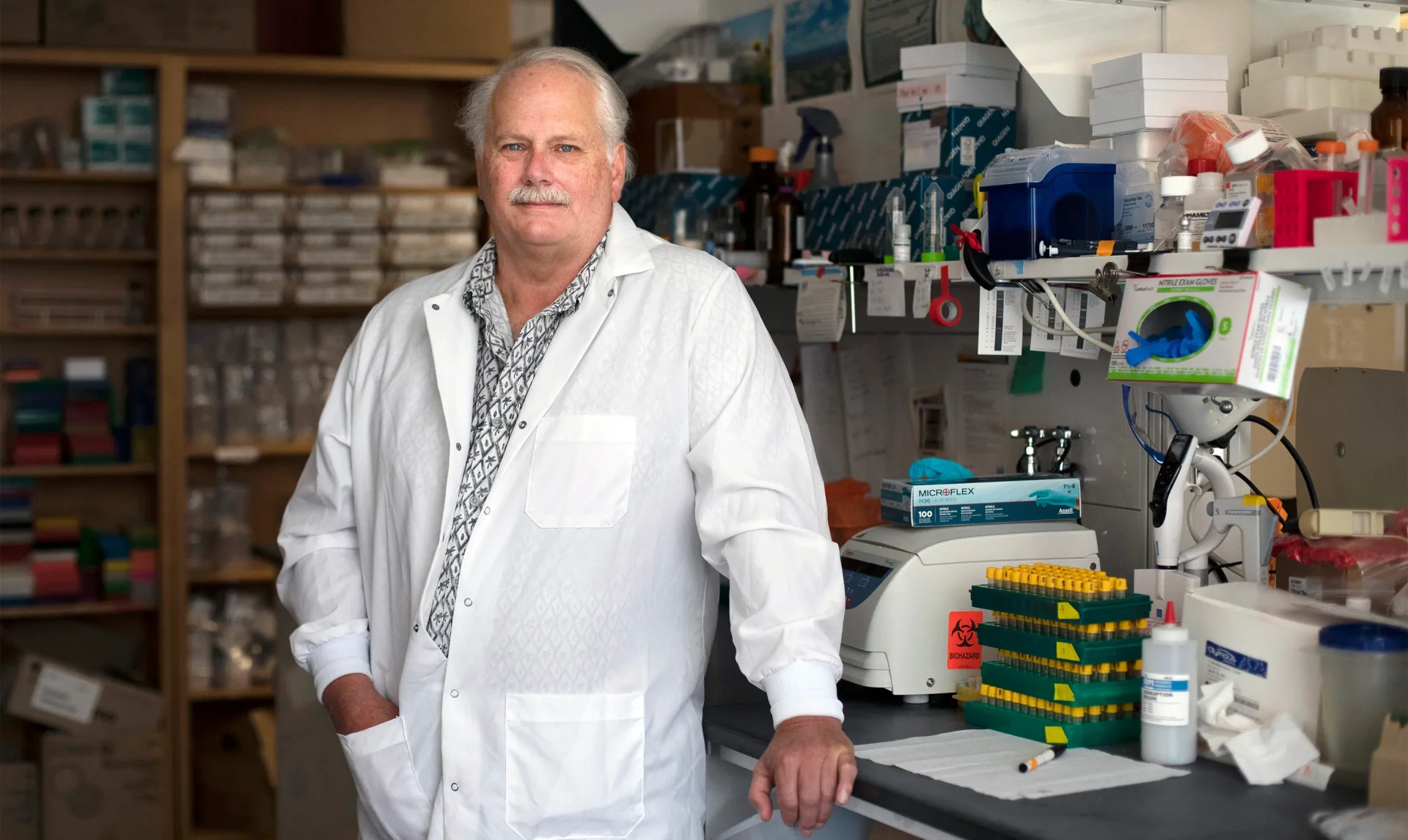
Žiadne meno tu neprevyšuje Ralph Baric na Univerzite Severnej Karolíny. Baricovo laboratórium strávilo roky budovaním infekčných klonov – v podstate úplný genetický plán koronavírusu skopírovaný ako fragmenty DNA, ktoré mohli byť strihané, vkladané a „zachránené" späť do živého vírusu v miske.
Titulným číslom bol jeho článok v Nature Medicine z roku 2015. Baricov tím (vedený Vineetom Menacheryom, so Shi Zhengliovou – netopierí ženou – z Wuhanu ako spoluautorom) vzal spike gén z netopierieho koronavírusu SHC014 a prišil ho na kostru myší adaptovaného kmeňa SARS-CoV (MA15). Tiež prestavali vírus SHC014 celej dĺžky. Toto bola klasická práca GOF: chimérický vírus, ktorý v prírode nikdy neexistoval.
Čo robil? V primárnych ľudských epitelových bunkách dýchacích ciest sa replikoval skvelým výkonom – titers zodpovedajúce epidemickému kmeňu SARS 2003. Efektívne využíval ľudský receptor ACE2. Práca bola preskúmaná a schválená podľa pravidiel platných v tom čase; väčšinou prebiehala v laboratóriu BSL-3 UNC, nie Wuhan (hoci Shi poskytla netopiersku sekvenciu).
Peter Daszak a EcoHealth Alliance boli sprostredkovateľmi, ktorí umožnili veľkú časť tohto. EcoHealth, Daszakova nezisková organizácia, dostala od NIH/NIAID zhruba 3,5 milióna dolárov na prácu s netopierickými koronavírusmi. Asi 600 000 dolárov z toho plynulo ako sub-zákazka Wuhanskému ústavu virológie.
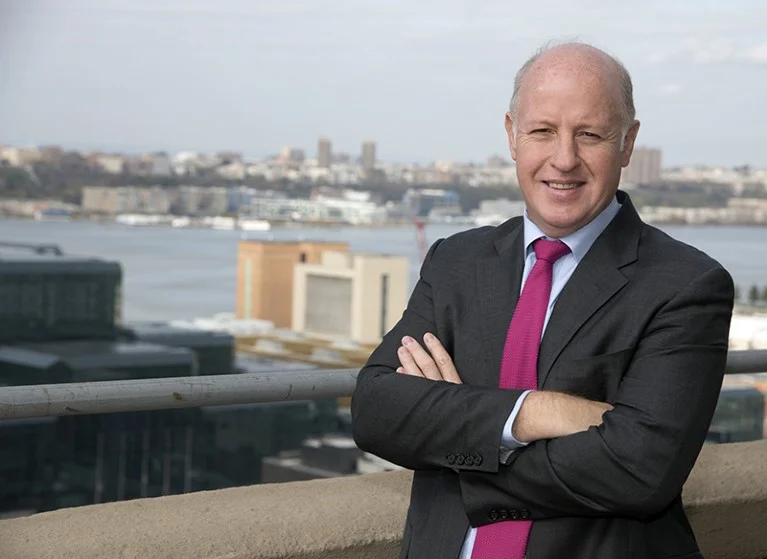
Neskoršie vyšetrovania zistili, že EcoHealth meškala so správami a neupozornila promptne na chimérický vírus, ktorý rástol lepšie, ako sa očakávalo u myší. Začiatkom roku 2025 HHS vylúčil EcoHealth aj Daszaka z federálneho financovania na päť rokov kvôli týmto zlyhaniach v dohľade.
Anthony Fauci vstupuje do príbehu nie ako muž v plášti miešajúci kotol, ale ako dlhodobý šéf NIAID – financovania. Fauci svedčil, že NIH nefinancoval GOF vo Wuhane, ale podrobnosti o tom, čo sa počítalo podľa meniacich sa definícií, sa stali politickým a vedeckým škandálom.
Ukrajina
Ukraina tu patrí, ale nie ako lenivá kópia argumentov o koronavíruse. Zdokumentované americko-ukrajinské biologické programy boli aktivity Agentúry pre znižovanie obranných hrozieb a Kooperatívneho znižovania hrozieb, začínajúce po sovietskom kolapsu a formalizované na Ukrajine v 2000-tych rokoch. Deklarovaným účelom bolo zabezpečiť nebezpečné patogény, zlepšiť biosafety a biosecurity, podporiť dohľad nad chorobami a konvertovať bývalú sovietsku biologickú infraštruktúru na verejnozdravotnícke použitie.
Defensívna infraštruktúra verejného zdravia vo vojnovej zóne nesie reálne riziká, a „verte nám, obranná agentúra pomáha s dohľadom nad patogénmi" znie inak rôznym ušiam.
~~~
Čína mala prístup k rezervoáru. Južná Čína a blízke regióny obsahujú podkovonosa nesúceho koronavírusy podobné SARS, a Wuhan mal veľké výskumné centrum koronavírusov so skupinou Shi Zhengliowej. Spojené štáty mali peniaze, metódy a inštitucionálny záujem. Európa mala vlastné vysoko rizikové debaty o chrípke. Rusko malo sovietske dedičstvo.
Queensland incident: V roku 2021 sa stalo, že stovky fľaštičiek obsahujúcich vírus Hendra (57 % smrtnosť u ľudí), lyssavirus (v podstate besnota) a vzorky hantavírusu sa stali neúčtovateľnými v Queenslandskom laboratóriu virológie verejného zdravia. Queensland Health neskôr hlásil, že vzorky pravdepodobne neboli stratené alebo odcudzené, boli neúčtovateľné kvôli zlému vedeniu záznamov.
Myši
Myš je statočný civilný úradník. Exprimuje receptor, ktorý ju žiadame exprimovať. Zomiera merateľnými spôsobmi. Generuje grafy. Nikdy raz nenamietala byť použitá ako proxy pre celé ľudstvo.
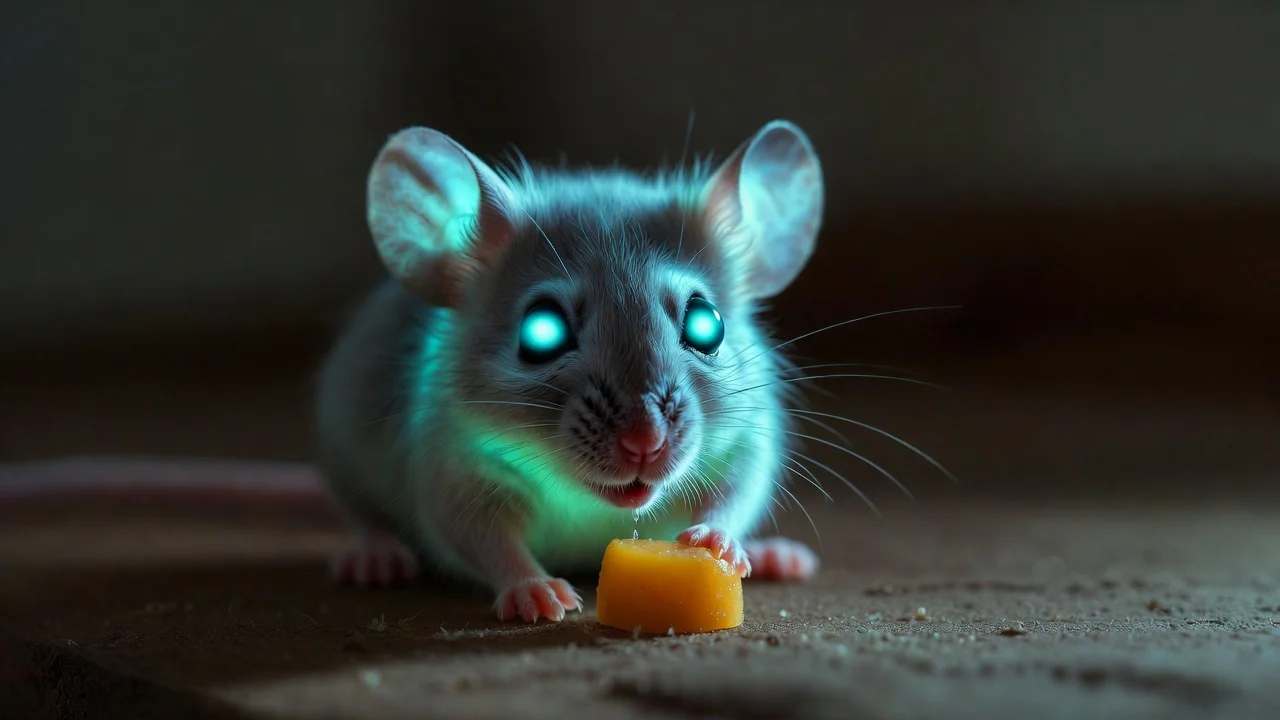
Ale myši nie sú ľudia. Dokonca „humanizované" hACE2 myši – engineerované na nesenie ľudského receptora pre SARS-like vírusy – sú chytrý hack, nie malí ľudia s chvostom. Ich imunitné systémy, pľúca, metabolizmus a životnosť nie sú ako naše.
Vírus, ktorý sa správa jedným spôsobom v klietke myší, sa môže správať inak v metre, škole, nemocnici, väzení, továrni alebo domove starostlivosti.
Obrana vývoja vakcín je tiež reálna a neúplná. Áno, štúdium nebezpečných patogénov môže pomôcť identifikovať rizikové markery, zlepšiť diagnostiku, budovať vakcinové platformy, testovať antivírusy a pripraviť sa na prirodzené preskoky. Problém je, že „môže pomôcť" nie je to isté ako „stojí za to robiť," a „robené pre pripravenosť" nie je to isté ako „dostatočne bezpečné pre civilizáciu".
Priemysel pripravenosti na pandémiu často hovorí, akoby prínos bol konkrétny a riziko hypotetické. Zdokumentovaný záznam incidentov hovorí opak.
Štruktúra financovania? Temná. Práca je financovaná prostredníctvom národných zdravotných agentúr, obranných agentúr, univerzít, MVO, súkromných dodávateľov, medzinárodných spoluprác a sub-zákaziek. Každý môže ukázať na iný riadok v rozpočte a povedať: „Tá časť nebola my."
Fauci, Baric, Daszak, Shi, Fouchier, Kawaoka, DTRA, NIH, CDC, WIV, Pirbright, Dugway, Queensland Health nie sú zameniteľní záporáci. Hrajú sa s potenciálnymi pandémiami.
Nepolitický záver nie je „Amerika zlá", „Čína zlá", „Ukrajina zlá", „Rusko má pravdu" alebo „vedci sú zlí".
Záver je, že každá veľká mocnosť chce výhody vysoko rizikovej biológie, pričom minimalizuje viditeľnú zodpovednosť. USA sa schovávajú za definície a vrstvy financovania. Čína za nepriehľadnosť a štátnu kontrolu. Rusko za propagandu. Európa za výbory a akronymy. Súkromný a akademický sektor za prestíž publikácií a frázu „štandardná prax".
Verejnosť by nemala musieť vyberať medzi anti-vedeckou paranoiou a inštitucionálnou poslušnosťou. Rozumná pozícia je prísnejšia a nudnejšia: zverejniť financovacie stopy, odhaliť zásoby patogénov, vyžadovať nezávislé protichodné preskúmanie, urobiť laboratórne incidenty povinnými a verejnými, oddeliť výrobu vakcín od vyhnúteľnej enhancementovej práce, kde je to možné, prestať outsourcovať zodpovednosť prostredníctvom sub-zákaziek a zaobchádzať s „dodržiavali sme protokol" ako so začiatkom rozhovoru.
mRNA „vakcíny"
Obrana vývoja vakcín je nejasná.
Korunný klenot nedávnej technológie protiopatrení – mRNA platformy – nesie vlastné nepríjemné nebezpečenstvá. Systém doručovania lipidových nanočastíc (LNP), nevyhnutný pre dostanie mRNA do ľudských buniek, často zahŕňa komponenty ako polyetylénglykol (PEG), čo sú známe alergény schopné vyvolať anafylaxiu u časti ľudí.
Výroba „Procesu 2" – škálovaná verzia použitá pre masové nasadenie – sa výrazne líšila od čistejšieho „Procesu 1" použitého v klinických skúškach, so správami o vyšších hladinách zvyškových fragmentov DNA, elementov SV40 promótora a kontaminácie endotoxínom.
Čo začalo ako elegantná, ale spochybniteľná myšlienka (naučiť telo vyrábať vlastný spike proteín) sa v praxi pre mnohých stalo unáhleným zavádzaním v bezprecedentnom rozsahu s novými mechanizmami a bezpečnostnými signálmi, na ktoré regulátori a výrobcovia reagovali pomaly a netransparentne.
Rovnaký súbor nástrojov, ktorý plynul z výskumu typu GOF do rýchloreagovacích vakcín, tiež urýchlil otázky o dlhodobých účinkoch, imunitnom imprintovaní a tom, či sme vymenili jeden súbor rizík za iný.
~~
Aj seriózne médiá sa príliš často kyvajú medzi titulkami „laboratórna bomba" jeden týždeň a odmietavými kúskami „vyvrátená konšpirácia" ďalší, naháňajúc prevádzku, reklamné príjmy a citát správneho odborníka zodpovedajúci prevládajúcemu naratívu.
Nezávislé hlasy a konšpiračné kúty – ako Sasha Latypova s jej podrobnými, ale často prebehnúcimi dokumentmi o zmluvách DOD a farmaceutickej výrobe, alebo Jane Ruby búšiaca „jed" naratívmi na podcastoch a Substacku.
Niektoré ich body sú cielené, pretože officiálny príbeh má diery; iné sa točia do úplnej fanfiction, kde každý netopierí vírus, každá sub-zákazka a každý myší model sú súčasťou veľkého depopulačného sprisahania.
Covidová lekcia
Nepriehľadné nákupy, cenzurované zmluvy, štíty zodpovednosti a štátny nátlak na povinné injekcie nikdy nevybudujú dôveru.
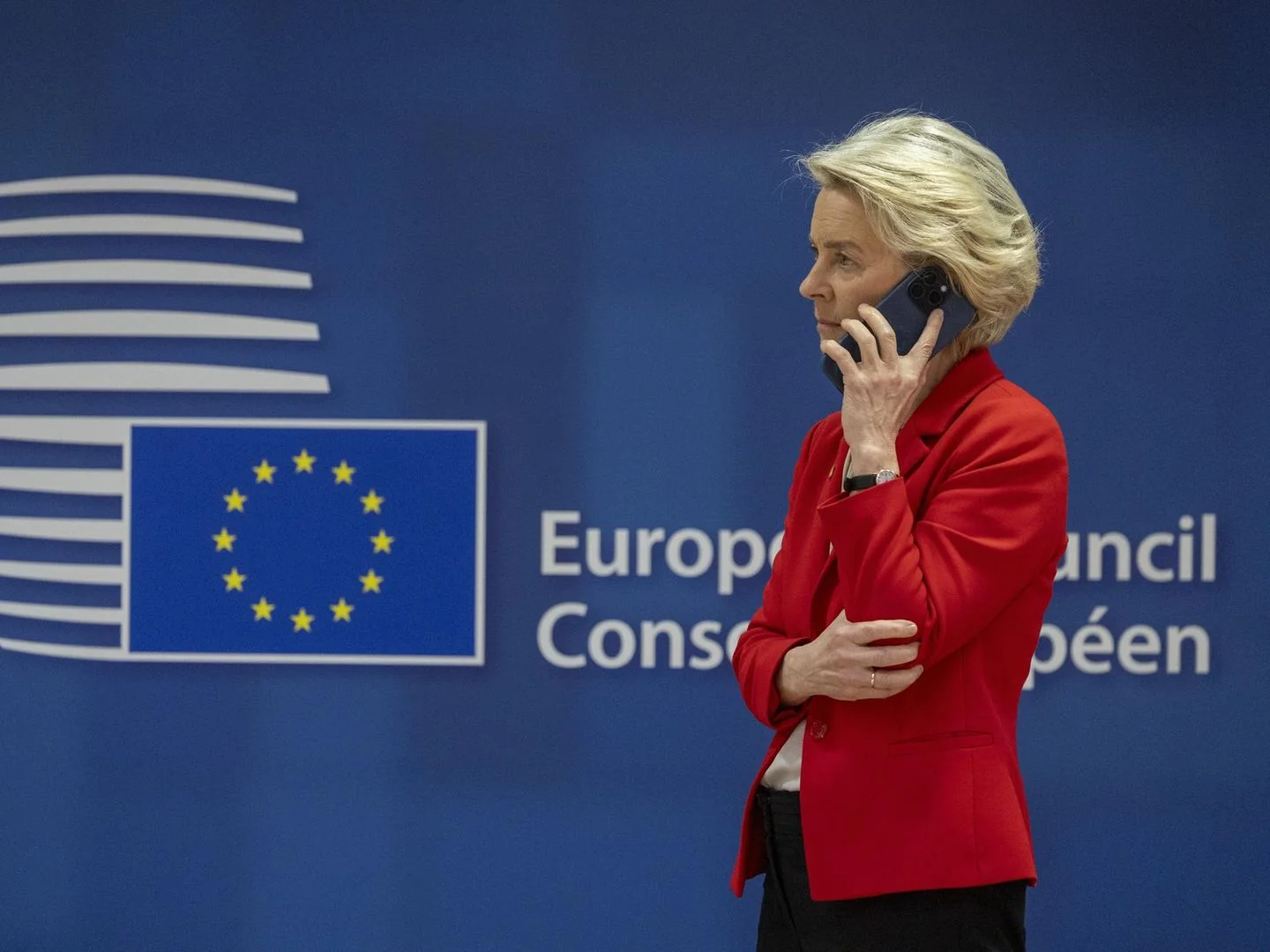
Škandál SMS von der Leyen/Pfizer tiež nepomohol – keď sú zapojené miliardy verejných peňazí, „správy nie sú dostupné" nie je politika transparentnosti.
Pridajte slobodu výberu a telesnú suverenitu. Ľudia neprestávajú vlastniť svoje telá, pretože to vláda povie.
Informovaný súhlas záleží.
Spoločnosť stále žije s dôsledkami: nielen zo samotných vakcín, ale z mandátov, vylúčení, bojov o cenzúru, zlomenej dôvery, rodinných rozštiepení, profesijného tlaku a nezodpovedaných otázok okolo bezpečnostných signálov, obstarávania, zodpovednosti a rozhodovania.
Dokazuje, že ľudia požadujúci verejnú dôveru boli často bezstarostní, arogantní a príliš pohodlní pri skrývaní potvrdení. Tieto udalosti nie sú plne vyriešené. Nemali by byť zamknuté do zabudnutia len preto, že news cyklus pokračoval ďalej.
~~
Pre väčšinu ľudí, ktorí nemajú čas (ani výcvik) čítať doplnky Nature Medicine z roku 2015, Baricove metódy reverznej genetiky alebo posledný prehľad Lancet o laboratórnych incidentoch, je to vyčerpávajúce.
Najlepšie lži sú tie so zrnom pravdy.
Skutočné laboratórne nehody sa stali, skutočné riziká existujú a skutočné skratky boli urobené v mene „pripravenosti".
To nie je ospravedlnenie pre hystériu, apokalyptickú fanfiction alebo šírenie paniky.
Rozumná reakcia je – spomaliť, čítať primárne práce, keď môžete, krížovo kontrolovať tvrdenia a používať nástroje ako AI na preloženie žargónu.
Neprenechávajte myslenie žiadnej strane.
Mohlo by vás zaujímať