The Euro Discovers Birds: Europe Redesigns Its Money Because It Was Not Conceptual Enough
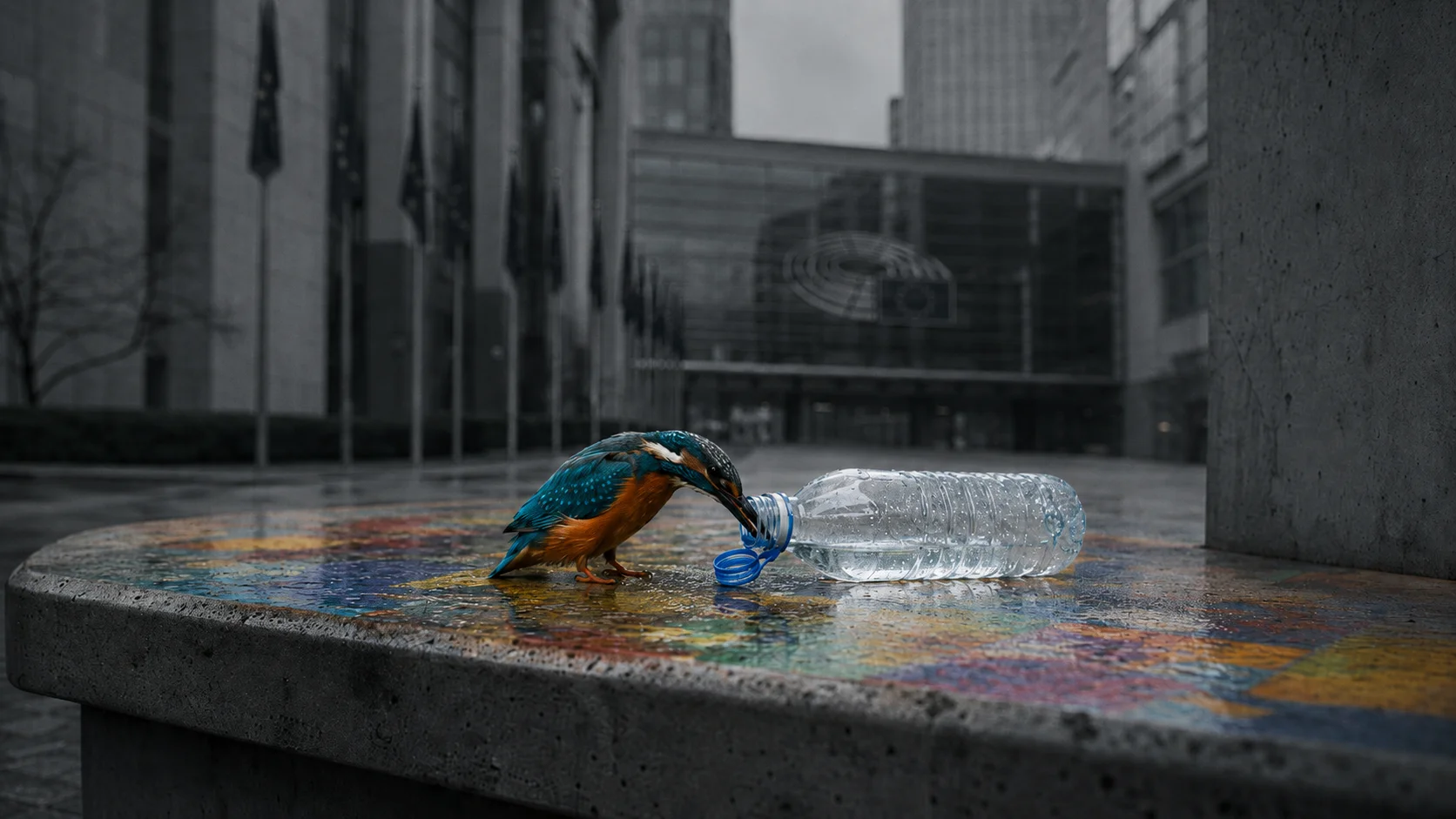
On 23 July the ECB released its shortlist. Two themes: “European culture” and “Rivers and birds.”
A public survey runs until 21 September.
The Governing Council will decide around the end of the year. Circulation is expected in the early 2030s.
This will be the first complete replacement of the euro’s visual identity since physical notes entered circulation in 2002.
The Existing Euro Was Bland for a Reason
The current euro banknotes show windows, gateways and bridges representing different periods of European architectural history.
None of the buildings actually exists.
This allowed the original designers to avoid choosing national monuments, political figures, military victories, writers, composers, saints, kings or historical events that would inevitably please one country and irritate another.
The windows and gateways were meant to represent openness. The bridges represented communication between Europe and the wider world.
They looked like the currency of a multinational administrative project because that is precisely what they were.
The designs also established a coherent identity. Different architectural periods appeared across the denominations, but every note clearly belonged to the same family.
The ECB could have retained that structure while introducing stronger security features, better tactile markings, improved denomination contrast, more durable materials and updated production methods.
It could have improved the euro without first asking what Europe means.
Instead, four years of consultations, surveys, advisory groups and design competitions have produced a choice between illustrated cultural policy and birds accompanied by office buildings.
The new ones are ugly because they are trying to finish every continental argument at once.
Security Does Not Require an Identity Crisis
The United States has redesigned its major denominations repeatedly, adding colour-shifting ink, watermarks, security threads, larger portraits, embedded ribbons and microprinting.
What it has not done is treat each security update as an opportunity to reinvent the national character. Older American notes remain legal tender and continue circulating alongside newer ones. The currency evolves without constantly replacing itself. Recognition and continuity are treated as features. The dollar changes when it needs to.
Notes from different periods continue circulating together, reinforcing the sense that the currency is stable and evolves rather than repeatedly replacing itself.
Europe could follow the same principle.
Money is among the most frequently handled public objects in existence. People recognise it instantly, often without reading the denomination. Familiarity is not a failure of imagination. It is part of the product.
The dollar has understood this for generations while the ECB is sacrificing continuity and external credibility for fashionable symbolism.
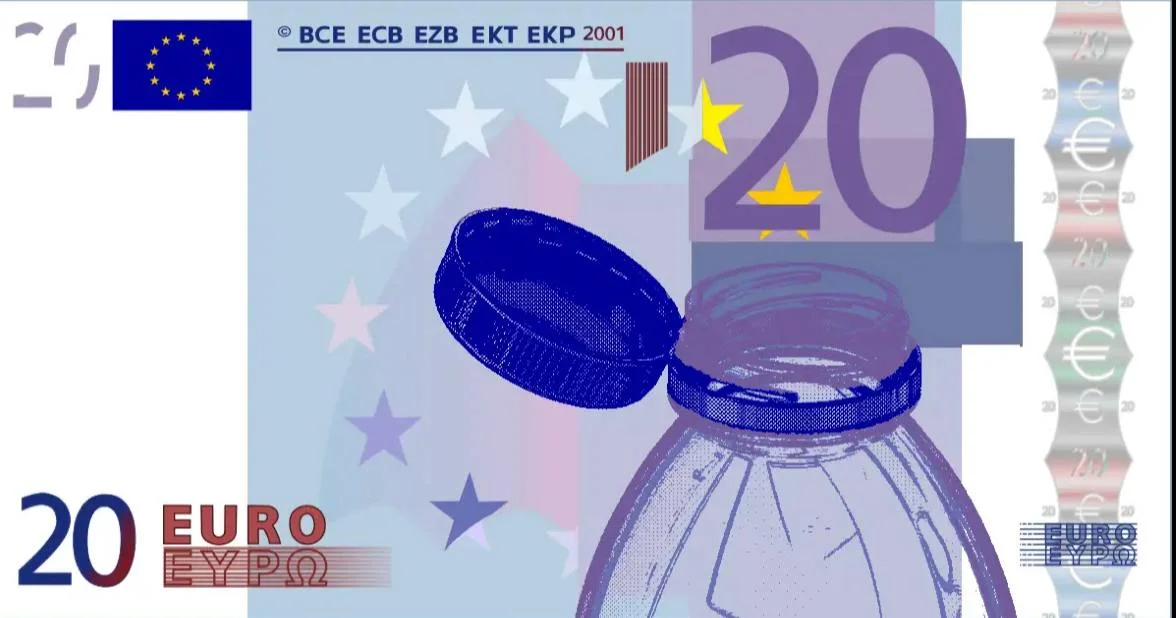
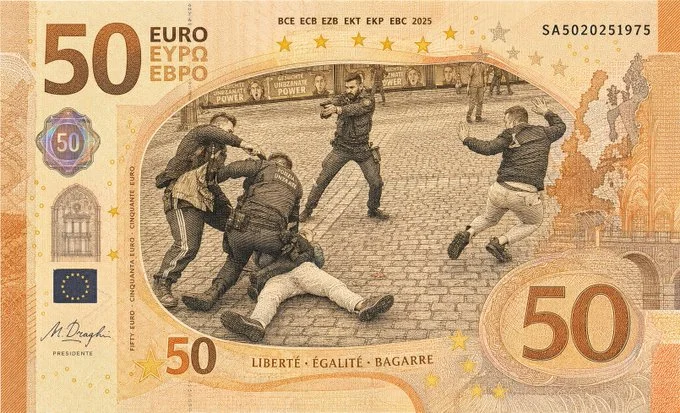
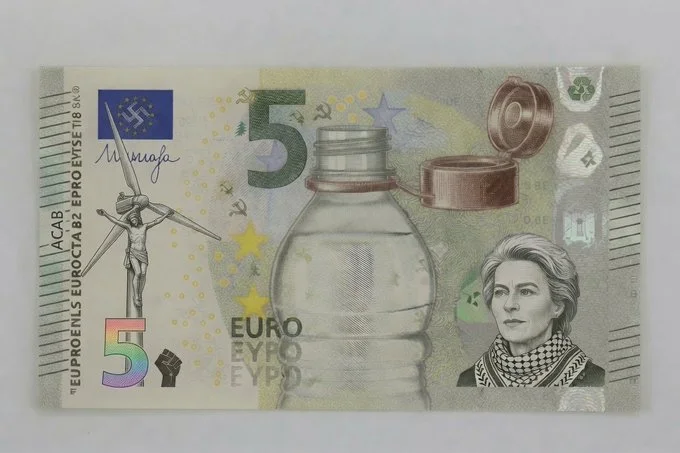
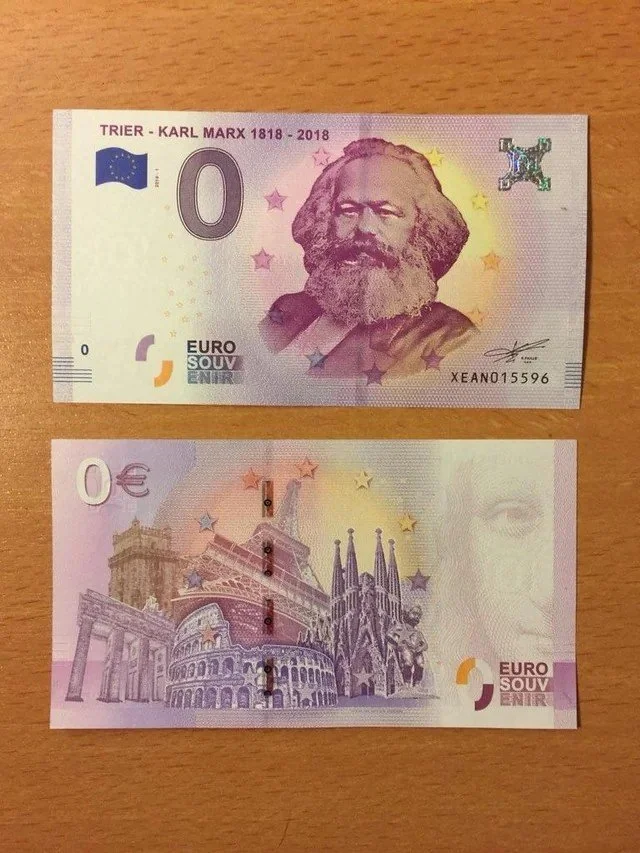
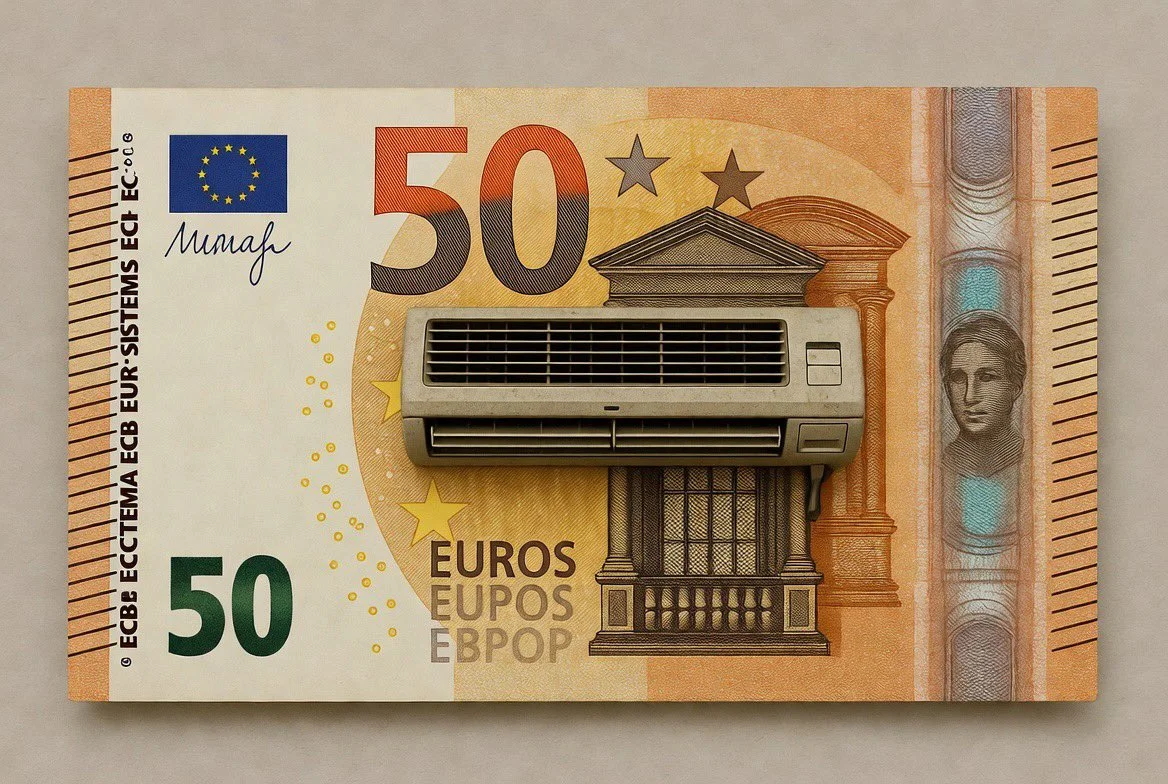
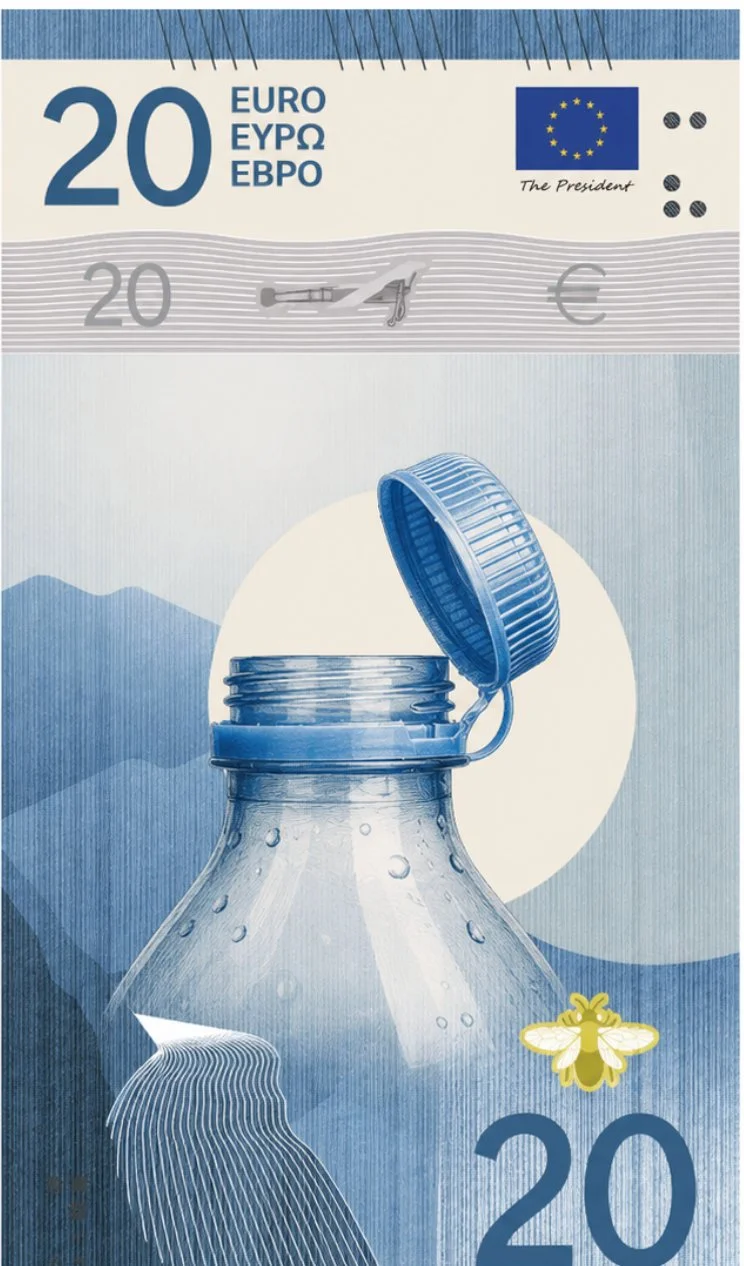
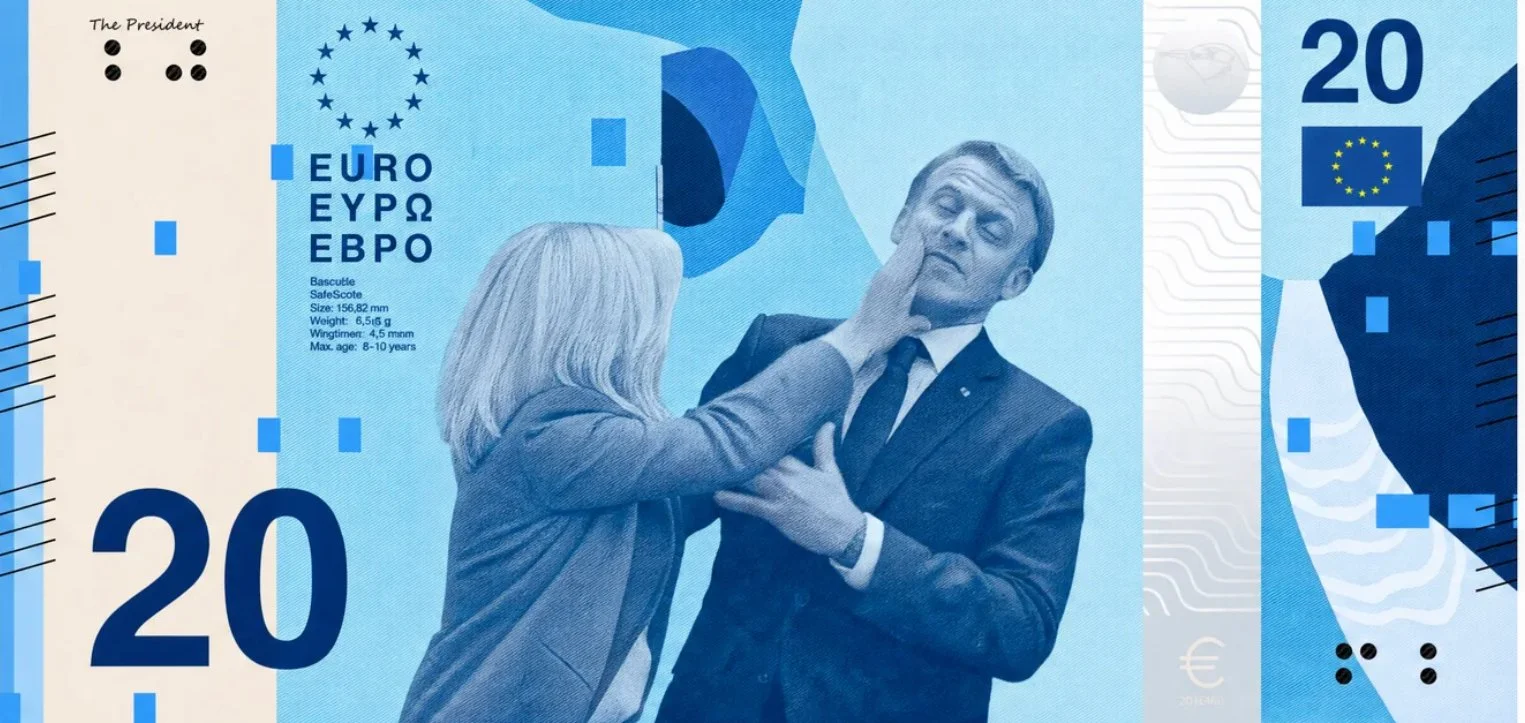
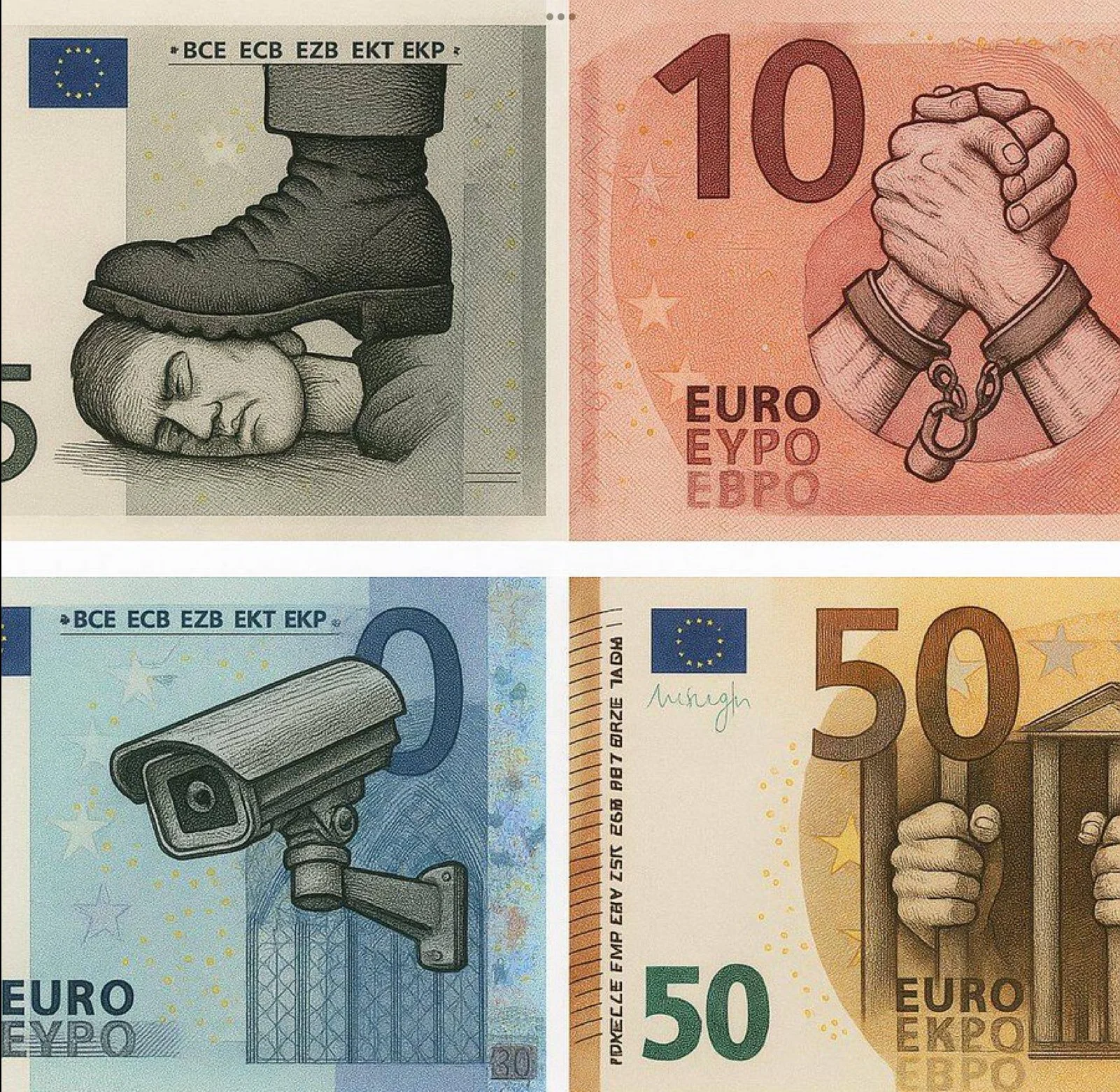
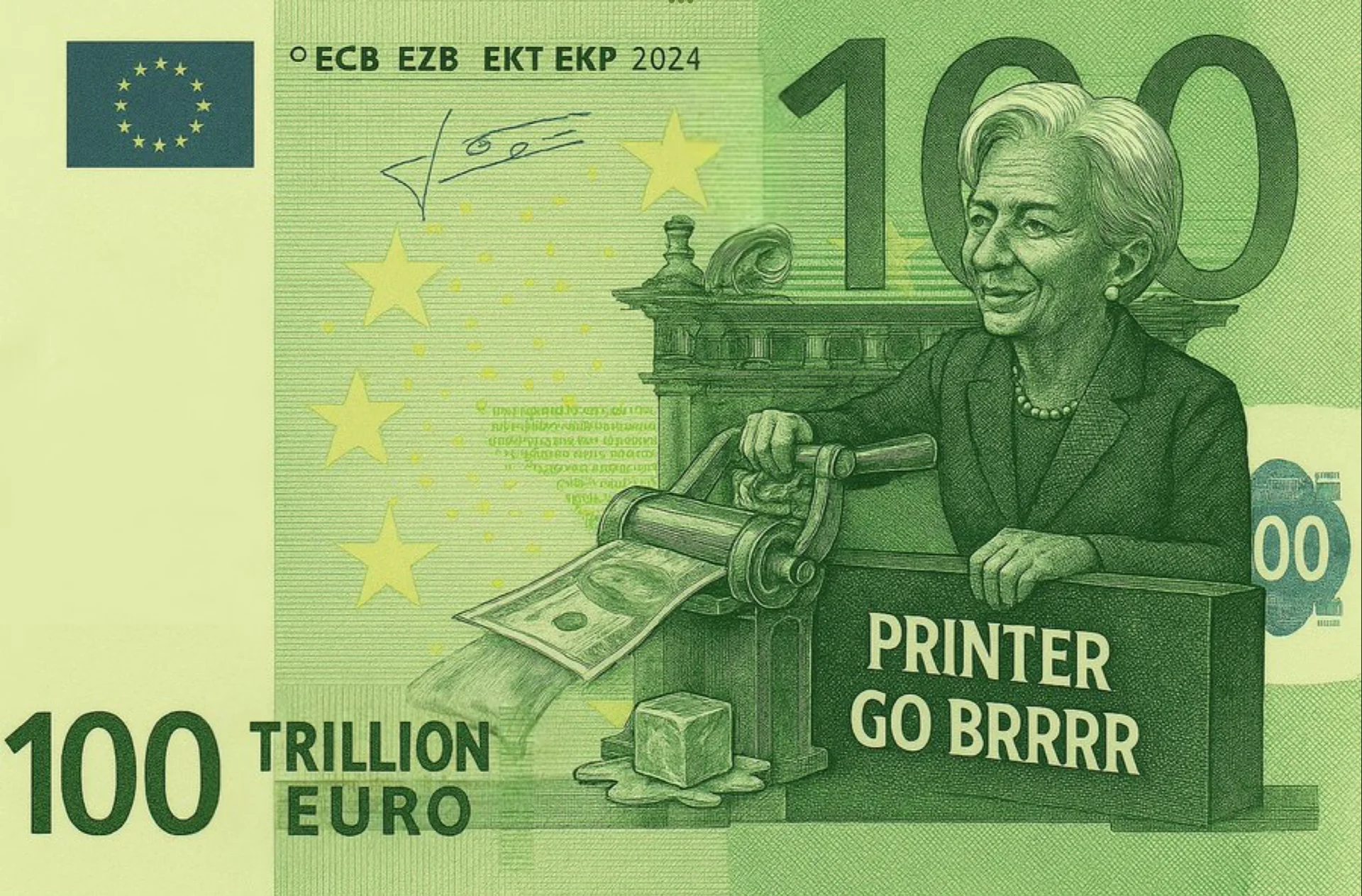
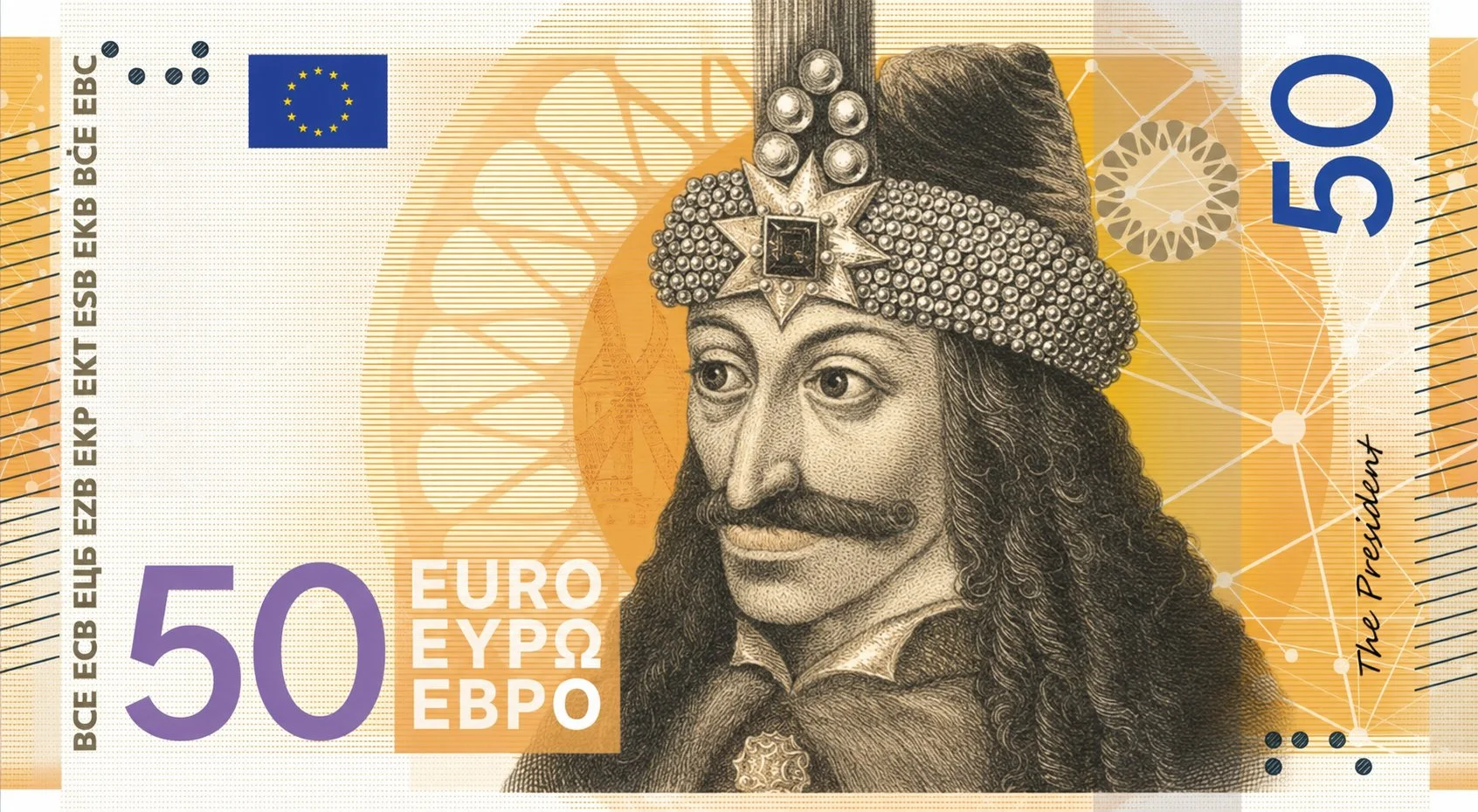
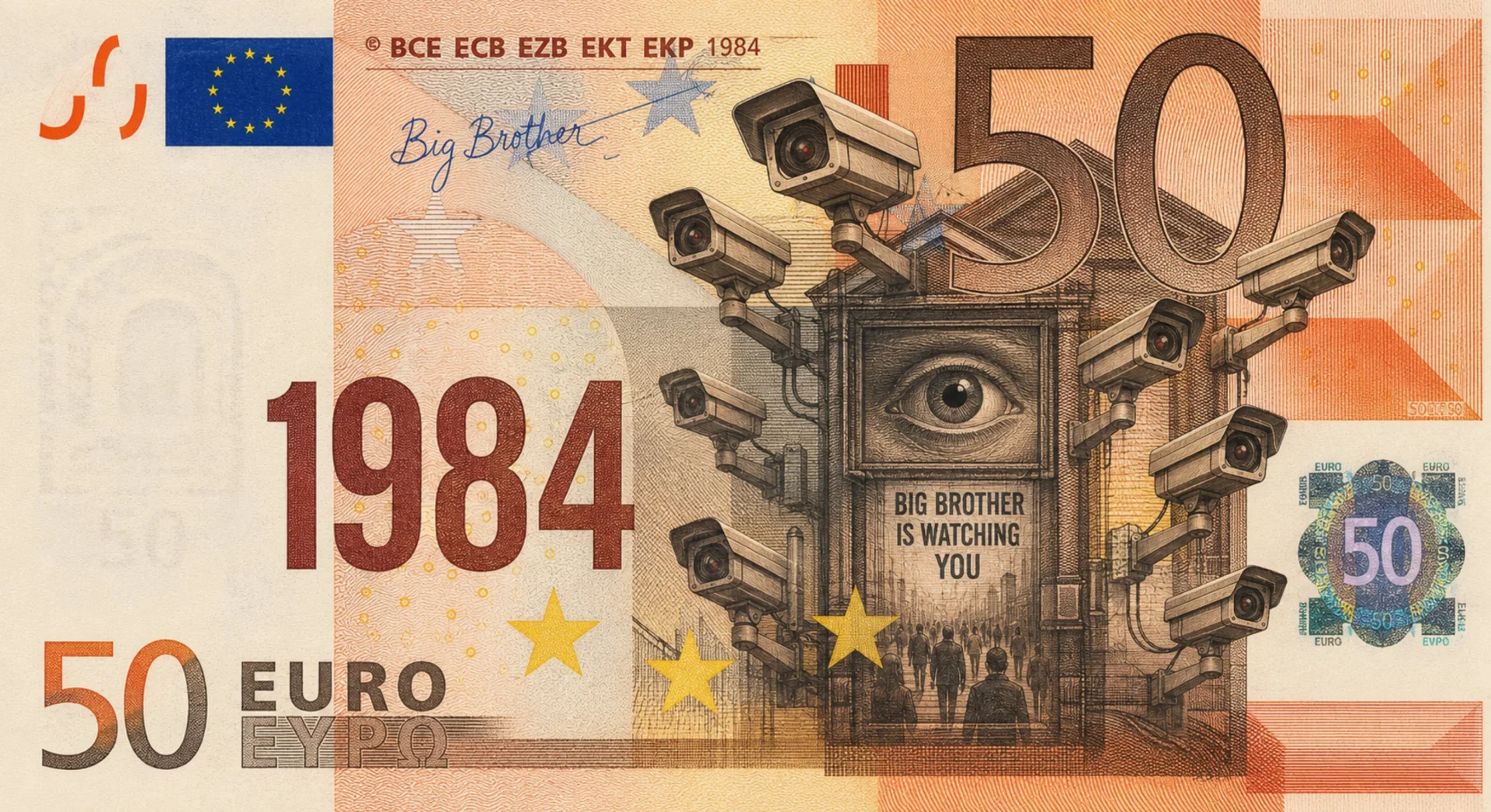
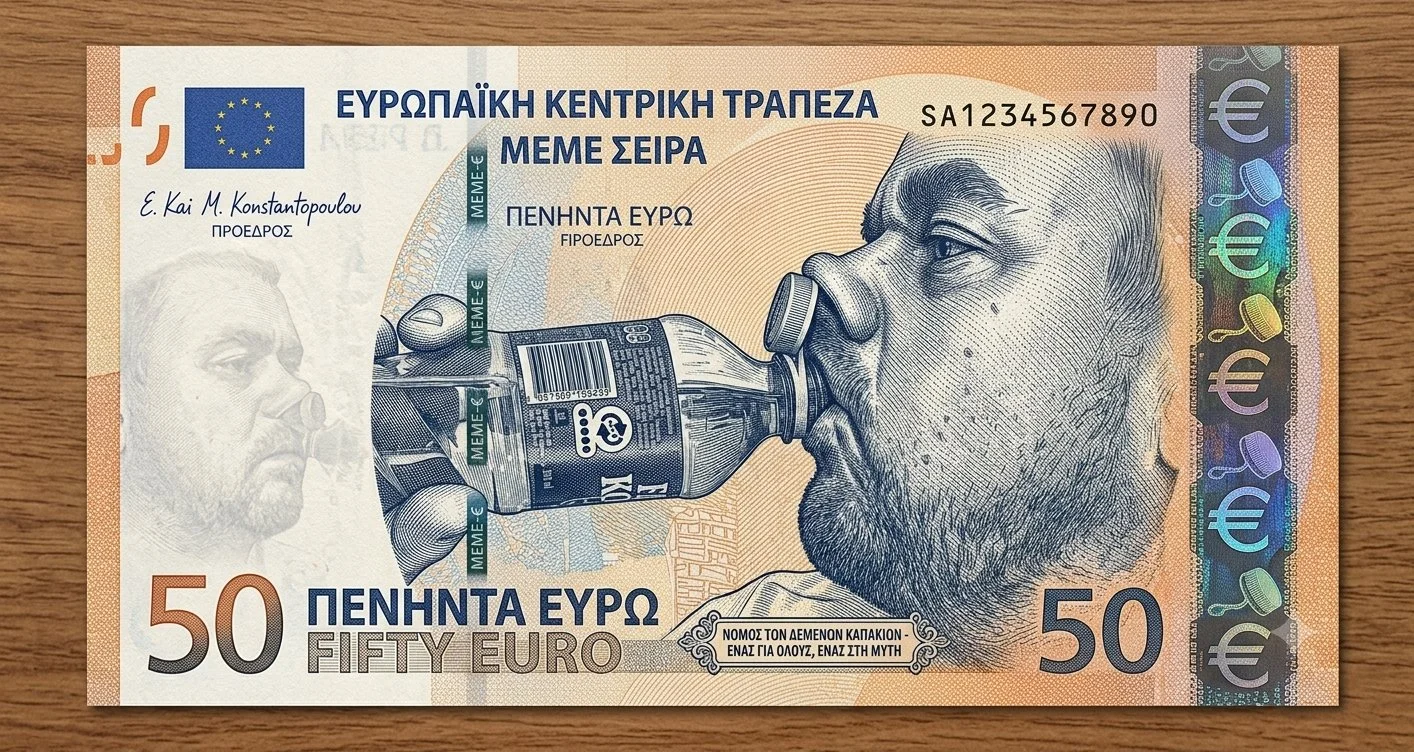
While the ECB was consulting experts and designers, ordinary people and internet trolls produced their own proposals almost immediately. One shows a standard €50 with a wall-mounted air-conditioning unit bolted across the architecture. Another turns the note into a street fight under the motto “Liberté, Égalité, Bagarre.” A third features a plastic bottle, a wind turbine, a raised fist and a woman in a keffiyeh. There is a zero-euro souvenir note with Karl Marx. There is a €20 dominated by an open plastic bottle. These are crude, unsubtle and often nasty. They are also more honest about the actual state of the continent than most of the official concepts.
There is a final irony. While the physical euro is being given birds, values and improved sustainability language, the digital euro is being prepared with infrastructure, verification and future control functions.
The euro does need better security features. What it does not need is a four-year identity workshop.
The official designs try to tell Europeans what their money should mean. The internet replied, within hours, with what Europe currently feels like. One of these two responses is closer to the actual continent.
 https://x.com/IntCyberDigest/status/2080436906031030571
 https://x.com/IntCyberDigest/status/2080436906031030571
 https://x.com/MartinSonneborn/status/2080563626587439353
 https://x.com/MartinSonneborn/status/2080563626587439353
 https://x.com/daily_romania/status/2080595128473784499/photo/1
 https://x.com/Ced_haurus/status/2080588060488544311/photo/1
 https://x.com/Diaoloz/status/2080598450991681643/photo/1
You might also like